Articles

Lukas Madl

Art project: AI applications in medicine

THE CHATBOT – What future do you come from? was an interactive evening between fiction and reality: with a mysterious assistant from the future, surprising role reversals, AI statements, discussions about medicine and legal responsibility in AI applications. An event that invited participants to think, empathize, and help shape the future. The following short film captures various moments from the interactive “Chat_Botin” event. “Ethics and moral guidelines are indispensable when it comes to AI. This also applies to art projects that deal with this topic. Lukas Madl’s expertise and his involvement were a great asset to our live art production.” Mag. Wolfgang Preisinger Co-founder, Die Fabrikanten

View details
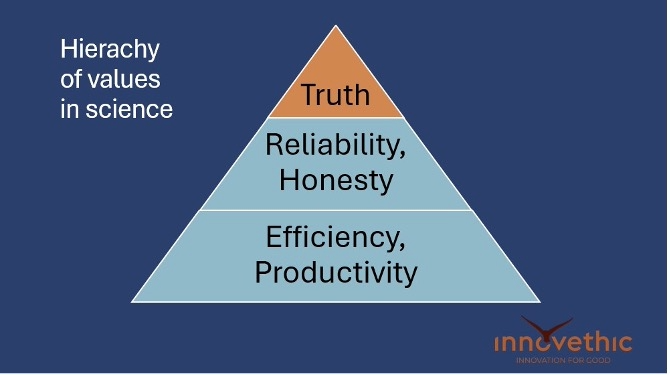
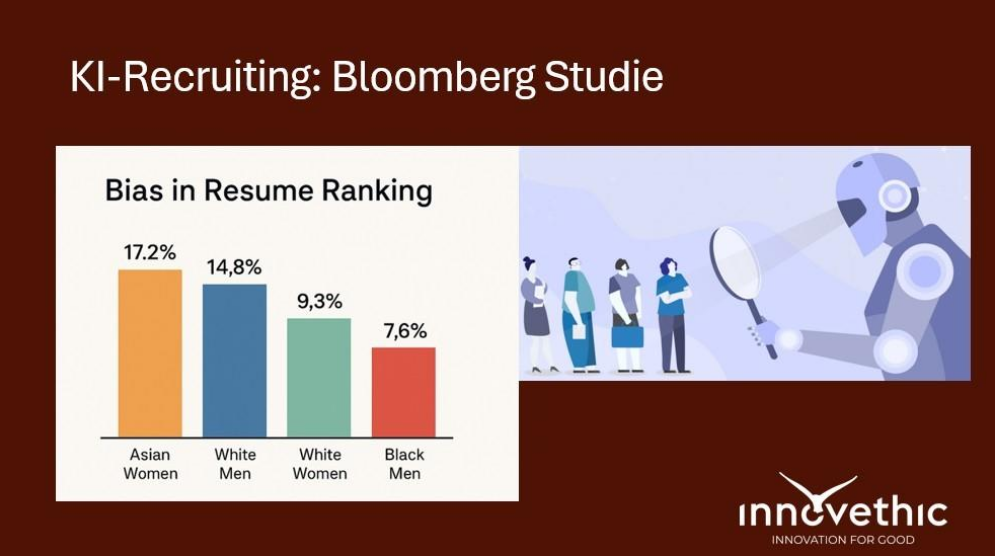
Developing AI ethically! How does that work?

85% of the largest companies use AI in recruiting—but what if these systems reinforce biases instead of recognizing talent? This presentation showed why ethics in AI development is not a luxury, but a necessity. How can we design artificial intelligence responsibly? The presentation vividly illustrated why ethical principles are indispensable in the development and application of AI. Using real-life examples—from discriminatory recruitment algorithms to questions of human dignity—it became clear that technology is not neutral. Ethics here means more than just compliance with rules: it is about values such as justice, transparency, and autonomy. The presentation shows how, through conscious design, clear responsibility, and respectful interaction, we can create AI systems that serve people—not the other way around. “Bringing together two complex topics such as AI and ethics in a coherent way is a balancing act. Lukas Madl mastered it brilliantly with his presentation ”Developing AI Ethically,“ adding an important perspective to our event.” Caleb Gebhardt, ITSV GmbH Dipl.-Ing.

View details
End of Humanity: Be fully human not fully automated

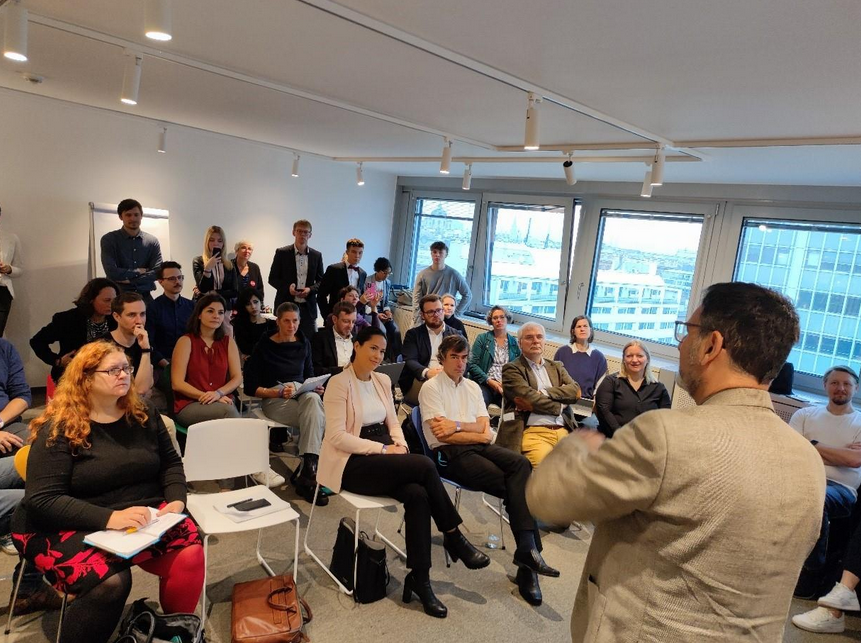
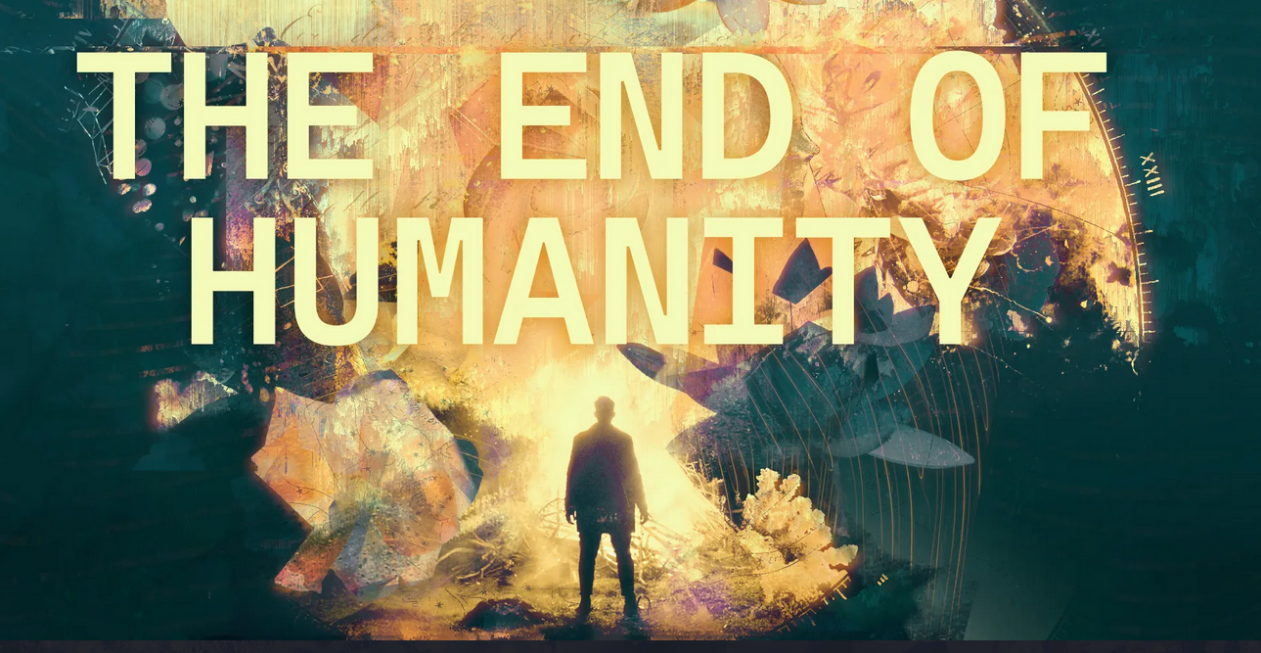
Together, we watched the impressive documentary film “End of Humanity,” which takes a critical look at the radical vision of transhumanism. The film shows how technological elites increasingly consider the fusion of humans and machines to be necessary in order to ensure the relevance of humans—an idea that raises profound ethical questions. Through powerful images and interviews with international experts, it highlights errors in thinking and dangerous mechanisms that could threaten our future. Afterwards, the participants continued to work interactively in small groups, reflecting on what they had seen and discussing alternative narratives for the future. The event concluded with a panel discussion with Dr. Jan Juhani Steinmann and Dr. Raphael Rauch, who contributed philosophical and ethical perspectives. We were also particularly pleased that the two experts Prof. Sarah Spiekermann and Prof. Johannes Hoff were present. The workshop provided a safe and intensive space for critical thinking, creative exchange, and the joint search for a humane future in the age of AI. In cooperation with

View details
Human in focus – AI in medicine

AI is a powerful tool that can bring both great benefits and considerable harm, depending on how it is designed and used. Lukas Madl emphasized that ethical AI is not about machines acting morally, but about humans taking responsibility for its development and application. This applies in particular to medical applications. He showed ways in which innovations can be guided into a “win-win zone” through ethical reflection, stakeholder dialogues, and risk assessments. The EU AI Act was presented as a regulatory framework designed to help seize opportunities and minimize risks – for a thriving and healthy society in which technology serves people.

View details
Balancing Innovation & Responsibility: Building Trustworthy AI for Aging

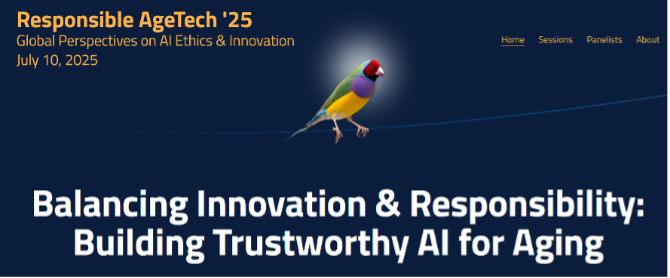
  In my talk, I explored how AgeTech — technologies designed to support older adults — can be developed and deployed in ways that are ethically sound, socially inclusive, and technically trustworthy. I emphasized the importance of privacy-preserving technologies, stakeholder trust, and human-centered design, especially in sensitive domains like elder care. Drawing on philosophical insights and real-world examples, I argued that while AI can enhance safety, autonomy, and efficiency, it must never replace the human touch in caregiving. Instead, we must design systems that respect dignity, foster empathy, and align with shared values. Frameworks like the IEEE 7000™ standard and the EU AI Act offer practical guidance for embedding ethics into innovation, ensuring that AgeTech serves not just functional needs, but the deeper human experience of aging. “Lukas brought a distinctly philosophical and ethics-focused perspective to our responsible AgeTech dialogue, raising deeper questions about technology’s relationship with humanity while providing practical insights on privacy, trust, and ethical AI development. Thank you very much.” Ezra Schwarz, Responsible AgeTech

View details
AI and ethics. Valuable tool or major threat?

Artificial intelligence is rapidly changing our world—from the workplace and education to democracy and interpersonal relationships. This interactive workshop explored the question of how AI can be designed and used responsibly. The focus was on fundamental ethical questions: What values and principles should guide our actions? How can we distinguish between good and harmful applications? And what does it mean to design technology in a way that serves humanity? The workshop combined technical understanding with ethical reflection and provided space for discussion, critical thinking, and Christian-inspired perspectives on the role of humans as co-creators of creation. “Lukas Madl led participants through the workshop ”AI and Ethics: Valuable Tool or Major Threat?“ at the Christian Leaders Conference in Göttweig Abbey. Competent, empathetic, goal-oriented — in short: truly enriching! Thank you!” Leonhard Merckens Mag., entrepreneur, board member of the Forum of Christian Leaders

View details
AI and the world of work: Change with responsibility

I talked about the profound impact of AI on our working world. For me, AI is like fire — it can be warming and useful, but it can also be dangerous if we use it without thinking. I pointed out that many professions could be changed or even replaced by AI, and that we urgently need a socially acceptable transformation that focuses on people as a whole. It is important to me that we see work not only as a means of earning a living, but also as a space for self-fulfillment and social contribution. AI must not lead to fulfilling activities being dehumanized or devalued. I emphasized that regulation – such as through the EU AI Act – is necessary, but not sufficient on its own. We need an ethical approach that is guided by our values and fundamental rights. My conclusion: AI must serve people, not the other way around. We are faced with a choice: whether to design technology that respects our dignity, or whether to be driven by efficiency considerations. This decision is up to all of us.

View details
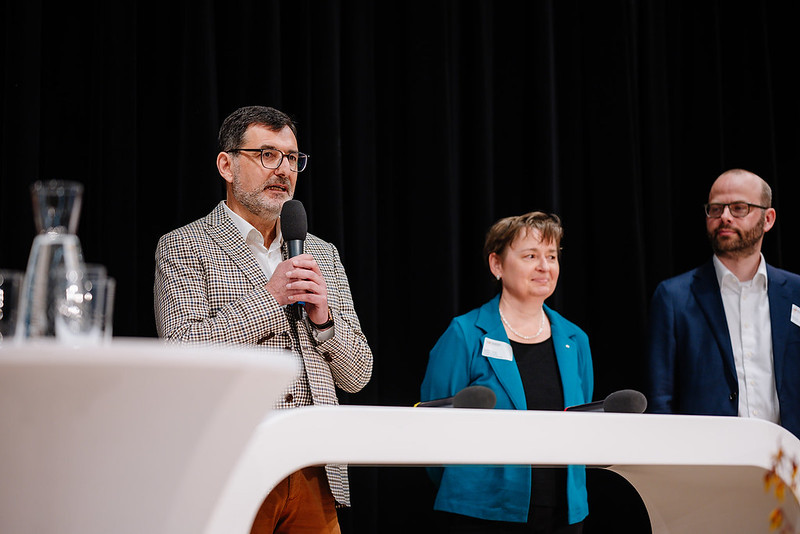
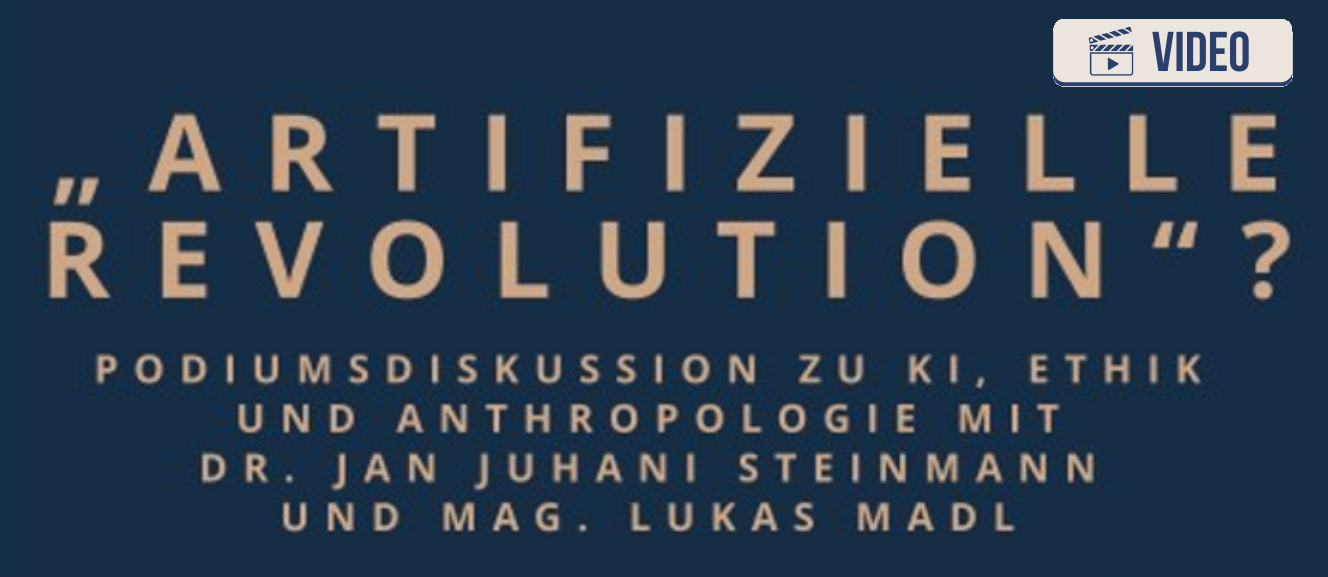
Artificial Revolution?

We addressed profound questions on the topics of AI, ethics, and the concept of humanity. Juhani Steinmann and I discussed key issues such as the impact of AI on our self-image, social changes brought about by technological developments, and the necessity and design of legal regulations. After introductory presentations, an open exchange took place in the plenary session, focusing on ethical, anthropological, and practical perspectives.

View details