
Developing AI ethically! How does that work?
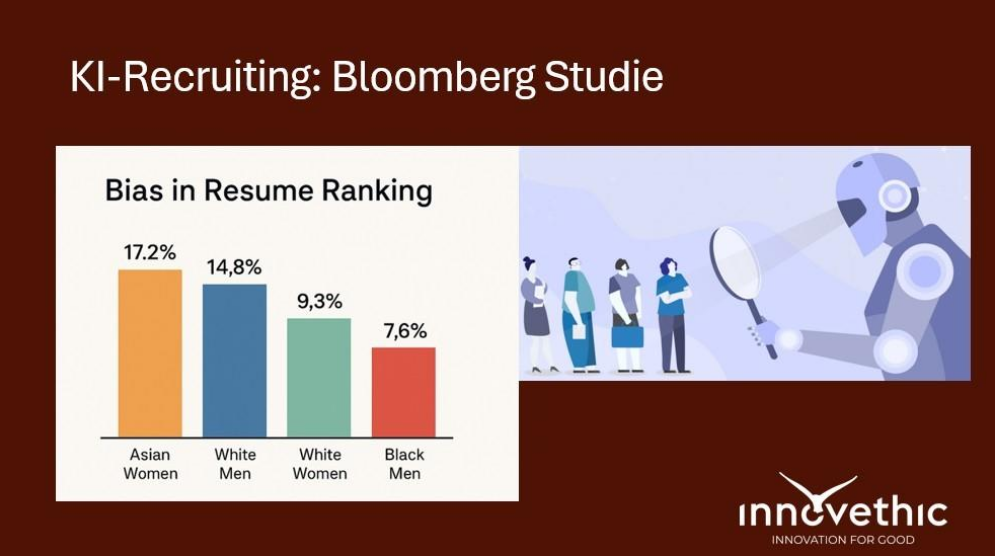
85% of the largest companies use AI in recruiting—but what if these systems reinforce biases instead of recognizing talent? This presentation showed why ethics in AI development is not a luxury, but a necessity. How can we design artificial intelligence responsibly? The presentation vividly illustrated why ethical principles are indispensable in the development and application of AI. Using real-life examples—from discriminatory recruitment algorithms to questions of human dignity—it became clear that technology is not neutral. Ethics here means more than just compliance with rules: it is about values such as justice, transparency, and autonomy. The presentation shows how, through conscious design, clear responsibility, and respectful interaction, we can create AI systems that serve people—not the other way around. “Bringing together two complex topics such as AI and ethics in a coherent way is a balancing act. Lukas Madl mastered it brilliantly with his presentation ”Developing AI Ethically,“ adding an important perspective to our event.” Caleb Gebhardt, ITSV GmbH Dipl.-Ing.
Read article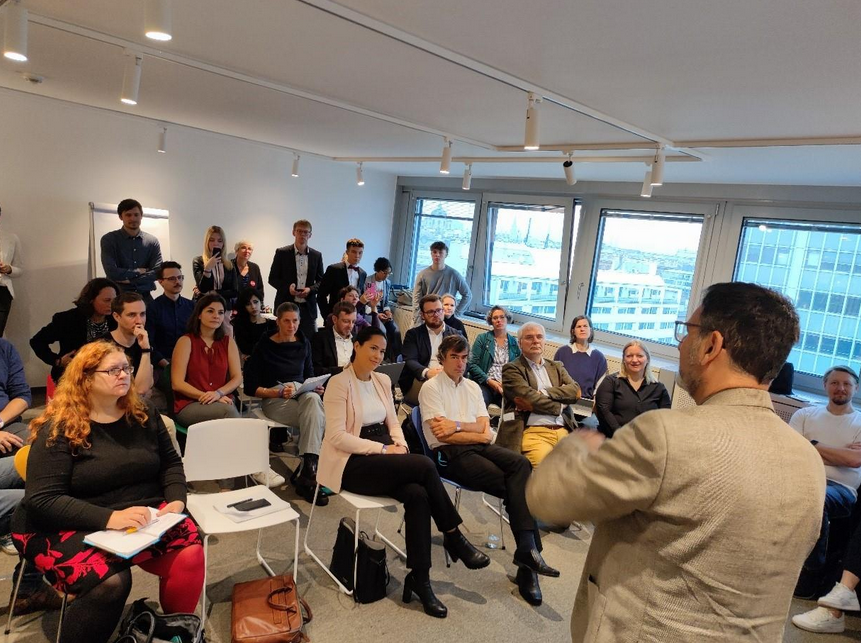

Human in focus – AI in medicine
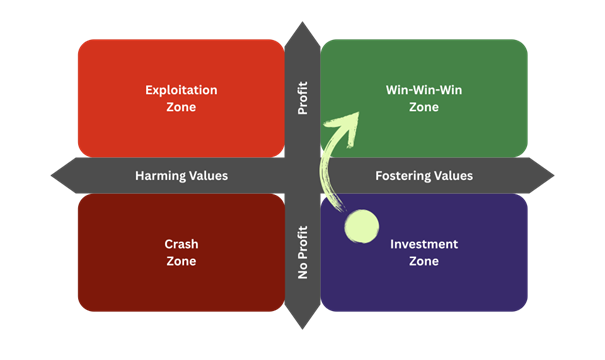
AI is a powerful tool that can bring both great benefits and considerable harm, depending on how it is designed and used. Lukas Madl emphasized that ethical AI is not about machines acting morally, but about humans taking responsibility for its development and application. This applies in particular to medical applications. He showed ways in which innovations can be guided into a “win-win zone” through ethical reflection, stakeholder dialogues, and risk assessments. The EU AI Act was presented as a regulatory framework designed to help seize opportunities and minimize risks – for a thriving and healthy society in which technology serves people.
Read article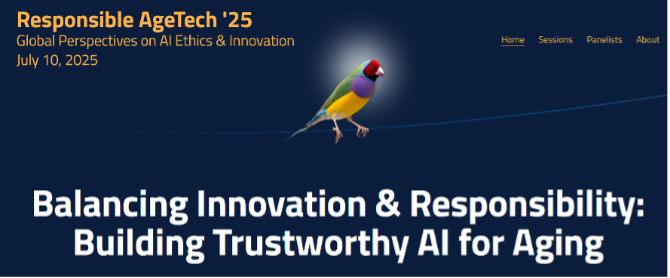
Balancing Innovation & Responsibility: Building Trustworthy AI for Aging
In my talk, I explored how AgeTech — technologies designed to support older adults — can be developed and deployed in ways that are ethically sound, socially inclusive, and technically trustworthy. I emphasized the importance of privacy-preserving technologies, stakeholder trust, and human-centered design, especially in sensitive domains like elder care. Drawing on philosophical insights and real-world examples, I argued that while AI can enhance safety, autonomy, and efficiency, it must never replace the human touch in caregiving. Instead, we must design systems that respect dignity, foster empathy, and align with shared values. Frameworks like the IEEE 7000™ standard and the EU AI Act offer practical guidance for embedding ethics into innovation, ensuring that AgeTech serves not just functional needs, but the deeper human experience of aging. “Lukas brought a distinctly philosophical and ethics-focused perspective to our responsible AgeTech dialogue, raising deeper questions about technology’s relationship with humanity while providing practical insights on privacy, trust, and ethical AI development. Thank you very much.” Ezra Schwarz, Responsible AgeTech
Read article
Child protection in the Internet age
Digital services are now an integral part of children’s lives, but their protection often falls by the wayside. The British “Children’s Code” sets new standards in this area by requiring providers to design their digital offerings in a way that serves the best interests of children. This includes age-appropriate privacy settings, transparent communication, and ethical design. The presentation highlighted the legal basis, outlined specific implementation strategies, and made it clear that data protection for children is not only a legal obligation but also a moral one. Companies are called upon to take responsibility — not only to comply with laws but also to build trust and protect children.
Read article
AI in administration: opportunities and risks
Public administration is also undergoing profound changes as a result of AI. The presentation highlighted how AI can be used effectively to optimize processes, reduce the workload on employees, and serve citizens. At the same time, the risks were highlighted: from algorithmic discrimination to workplace changes and ethical dilemmas. AI is like fire: it can warm you, but it can also burn you. That is why clear values and principles as well as an ethical compass are needed to shape technology in the interests of people. The presentation called for the responsible use of AI in public administration. „We would like to express our sincere thanks for the highly professional and informative presentation. The feedback from everyone involved was overwhelmingly positive—any reservations were dispelled and enthusiasm for new products was sparked. We wish you continued success — see you again soon.😊“ René Gneist STADir., M.A., 1st Chairman of the ARGE of City Administrators of Lower Austria
Read article
Why (only) ethical AI leads to success
In his presentation “Why (only) ethical AI leads to success,” Lukas Madl emphasized that although artificial intelligence is powerful, it must be guided by human ethical responsibility to ensure that it benefits society. Using the example of the rise and fall of Theranos, he illustrated the dangers that arise when ethical principles are disregarded in innovative technologies with a major impact. He outlined three key pitfalls — unfulfilled promises, underestimated risks, and unresolved conflicts between benefits and harms — and argued that ethical AI is not about machines acting morally, but about humans ensuring responsible development and deployment. Using risk assessments, stakeholder impact analyses, and alignment with frameworks such as the EU AI Act, Madl showed how ethical AI can create a win-win situation in which innovation, trust, and profitability coexist.
Read article
Winning with ethics: Why ethical AI leads to success
In the long term, AI can only be successful and gain social acceptance if it is developed and used in an ethically responsible manner. Lukas Madl illustrated the risks of “high-impact innovations” when ethical principles are neglected, using the story of Theranos and current examples such as AI-supported application tools and surveillance technologies. He emphasized that AI systems deeply influence human decision-making processes and must therefore be designed with particular care—in terms of fairness, transparency, and human dignity. At the end of his presentation, he introduced a structured risk assessment process that helps companies implement AI responsibly—as an investment in trust, efficiency, and sustainable success.
Read article