Lecture

Between relief and dehumanization – designing AI in nursing care ethically

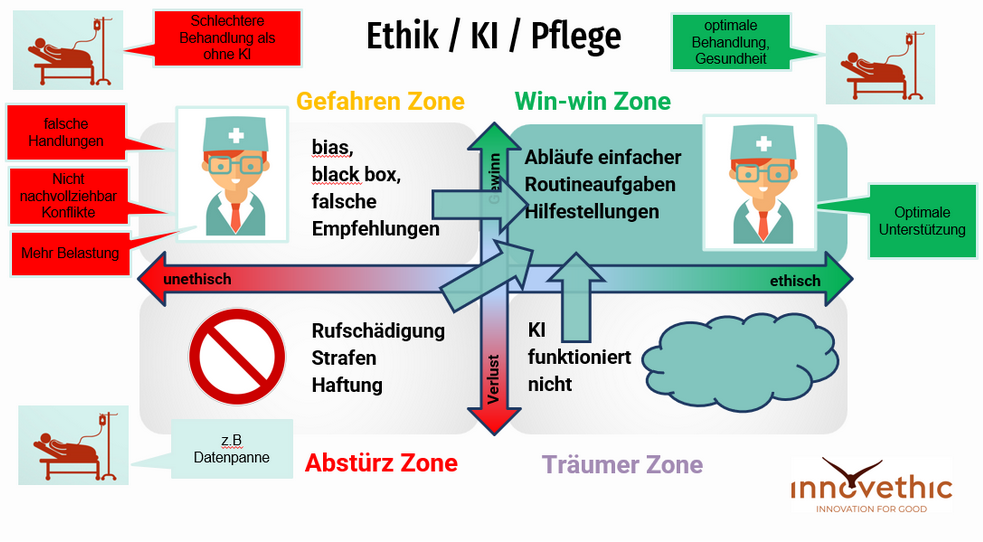
What are the ethical challenges and opportunities associated with the use of AI in nursing care? Given the nursing crisis and staff overload, AI can offer valuable relief—for example, through intelligent diagnostic systems that take over routine tasks, thereby freeing up more time for human interaction. But technology is not an end in itself: it must be designed to serve people – both those in need of care and those providing it. Madl emphasizes that AI systems are only ethically acceptable if they do not violate the fundamental values of care and do not replace, but rather reinforce, uniquely human aspects such as compassion, presence, and empathy. A careful risk and impact analysis is essential in order to use AI in care responsibly and in the spirit of a “win-win zone.”

Read article
The EU AI Act: Safety, transparency, and responsibility in AI

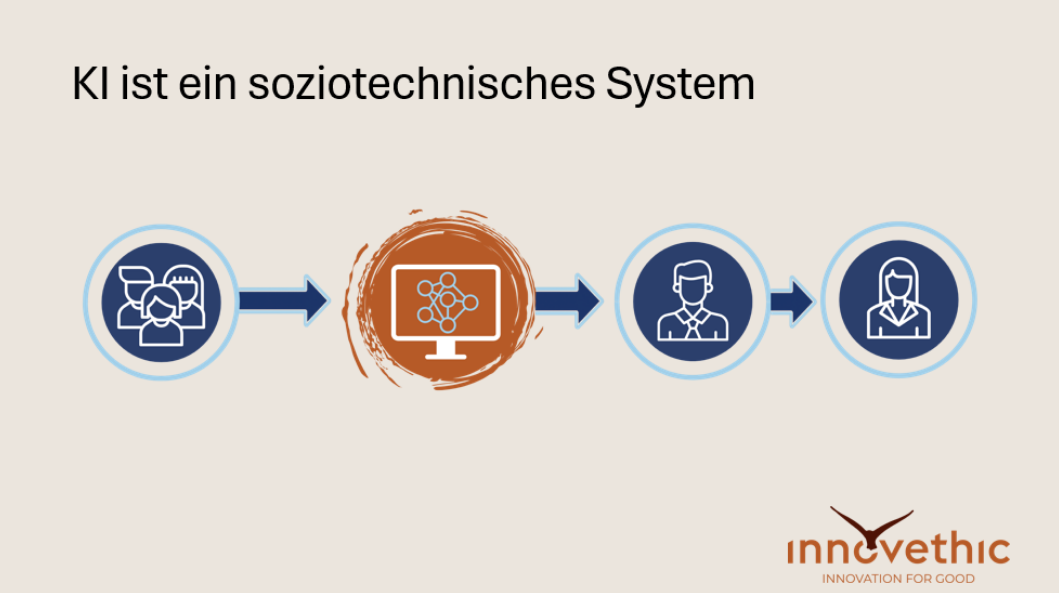
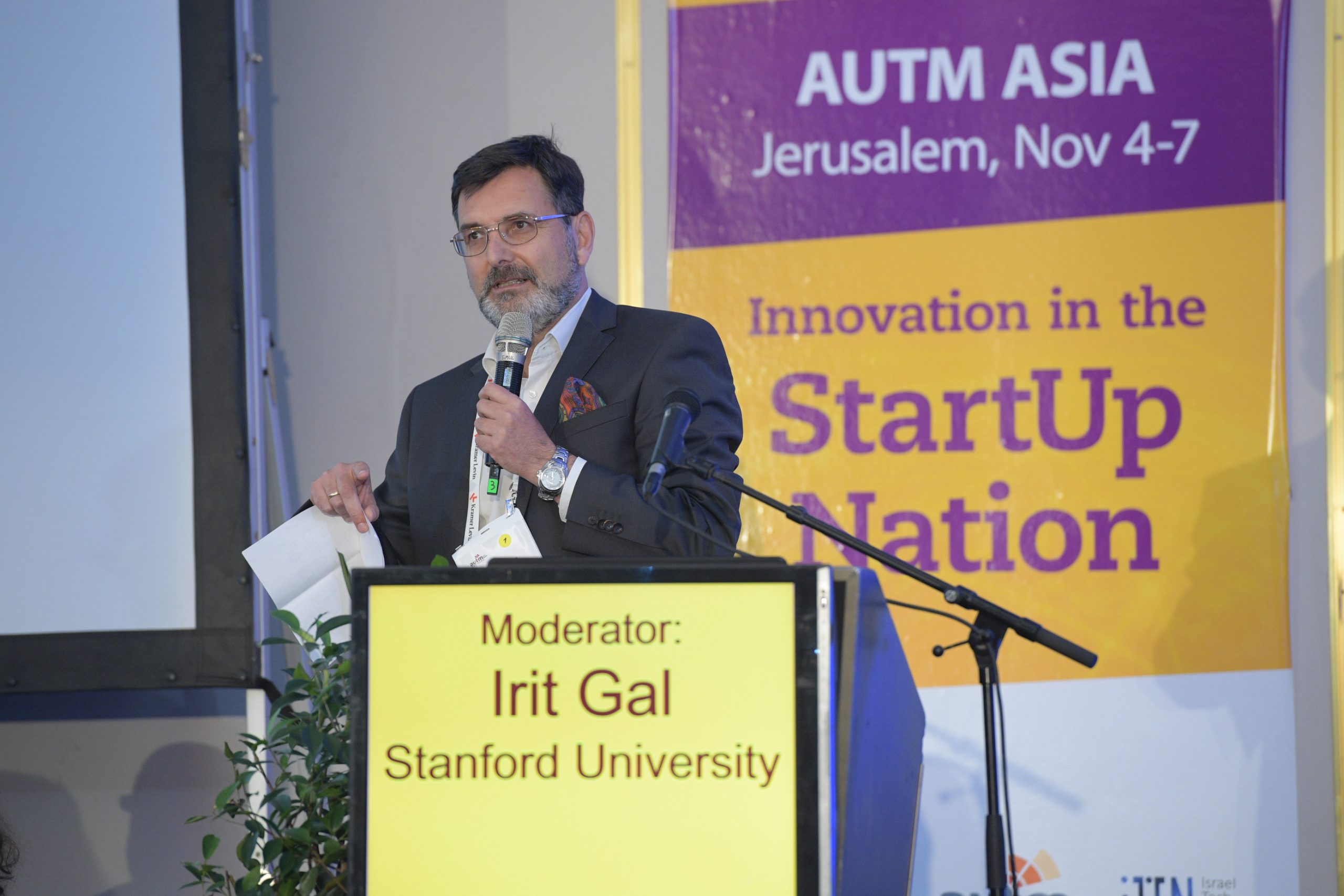
In my presentation, I introduced the EU AI Act as a key instrument for systematically addressing the risks of artificial intelligence. It became clear that AI poses not only technical challenges, but also profound social and ethical challenges — for example, through discrimination, lack of transparency, or interference with fundamental rights. The risk-based approach of the law distinguishes between minimal, limited, high, and unacceptable risk and sets different requirements depending on the classification. I particularly emphasized that AI is a socio-technical system in which humans are not only users but also affected parties — and that standards, transparency, and responsible data governance are crucial to ensuring trust and security.

Read article
Profit or common good?

In his presentation “Profit vs. Public Good in Technology Transfer?”, Lukas Madl examined the relationship between profit and social value in the fields of innovation and technology transfer. Drawing on his experience in genetics and more than 25 years of working in the commercialization of research results, he argued that while financial incentives for innovation are essential, they must be balanced with the common good to avoid harmful consequences — especially in sensitive areas such as AI in healthcare. He emphasized that technology transfer organizations (TTOs) should not only create economic value, but also actively pursue social value by addressing urgent human and environmental needs. Ultimately, Madl called for an ethically grounded innovation model that focuses on human dignity and holistic social development.

Read article
Acting creationally: Christian responsibility in technological innovation

In his lecture, Lukas Madl emphasized that technical innovation is not contrary to Christian faith, but rather can be a calling to imitate God’s creative power. Using biblical images — from the command to cultivate the Garden of Eden to Noah’s Ark — he showed that technology has been entrusted to humans from the beginning as a tool for shaping and preserving creation. However, Madl warned against a disconnected, purely materialistic belief in progress, as seen in transhumanism, for example, and called for a restoration of balance between the “four lights” of knowledge — craftsmanship, scientific knowledge, philosophical reason, and divine revelation. Christians are called upon to be salt and light in science and technology by bringing ethical orientation, wisdom, and a holistic view of humanity to the landscape of innovation.

Read article