Panel Discussion

AI and the world of work: Change with responsibility

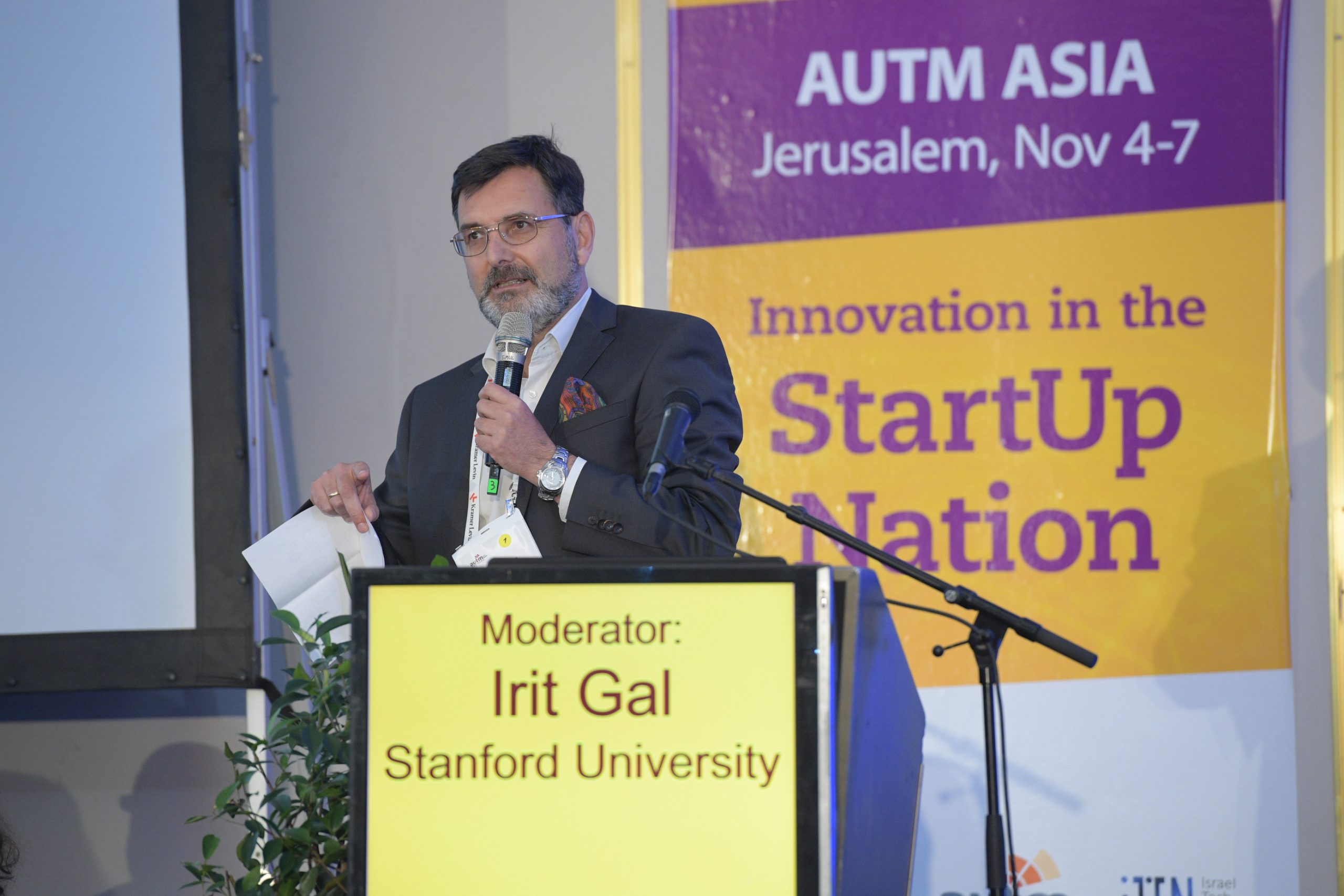
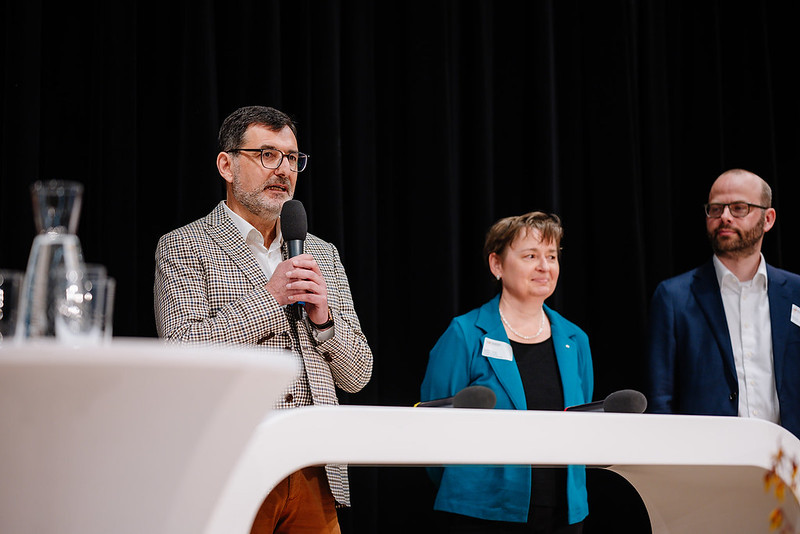
I talked about the profound impact of AI on our working world. For me, AI is like fire — it can be warming and useful, but it can also be dangerous if we use it without thinking. I pointed out that many professions could be changed or even replaced by AI, and that we urgently need a socially acceptable transformation that focuses on people as a whole. It is important to me that we see work not only as a means of earning a living, but also as a space for self-fulfillment and social contribution. AI must not lead to fulfilling activities being dehumanized or devalued. I emphasized that regulation – such as through the EU AI Act – is necessary, but not sufficient on its own. We need an ethical approach that is guided by our values and fundamental rights. My conclusion: AI must serve people, not the other way around. We are faced with a choice: whether to design technology that respects our dignity, or whether to be driven by efficiency considerations. This decision is up to all of us.

Read article

Artificial Revolution?

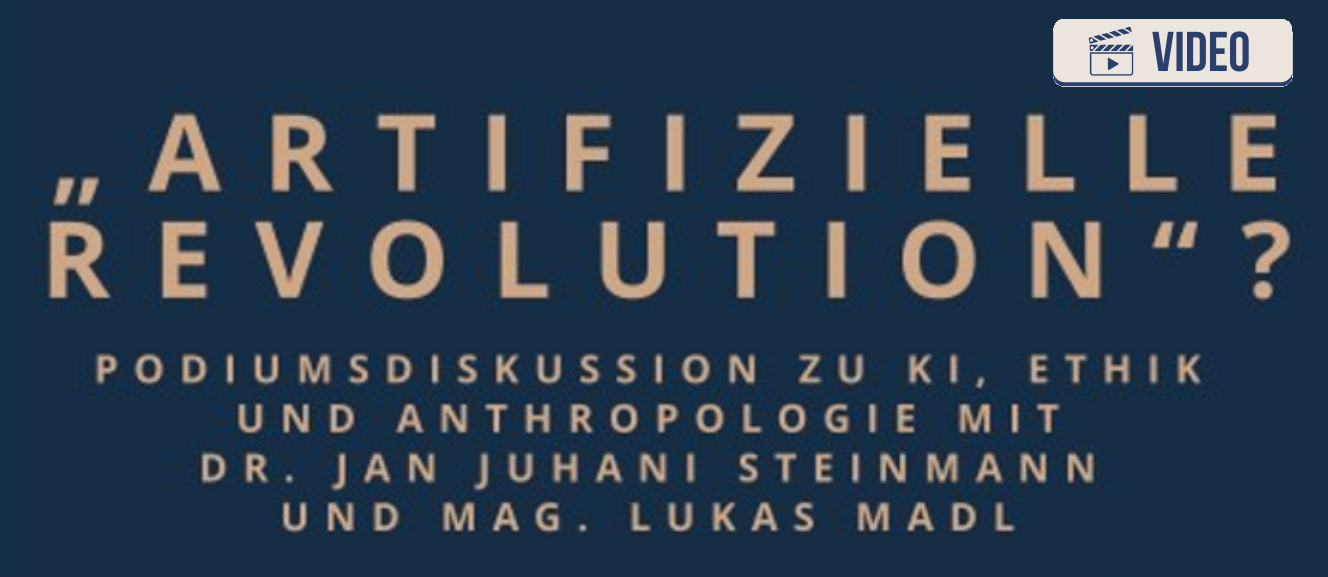
We addressed profound questions on the topics of AI, ethics, and the concept of humanity. Juhani Steinmann and I discussed key issues such as the impact of AI on our self-image, social changes brought about by technological developments, and the necessity and design of legal regulations. After introductory presentations, an open exchange took place in the plenary session, focusing on ethical, anthropological, and practical perspectives.

Read article
Man or Machine?

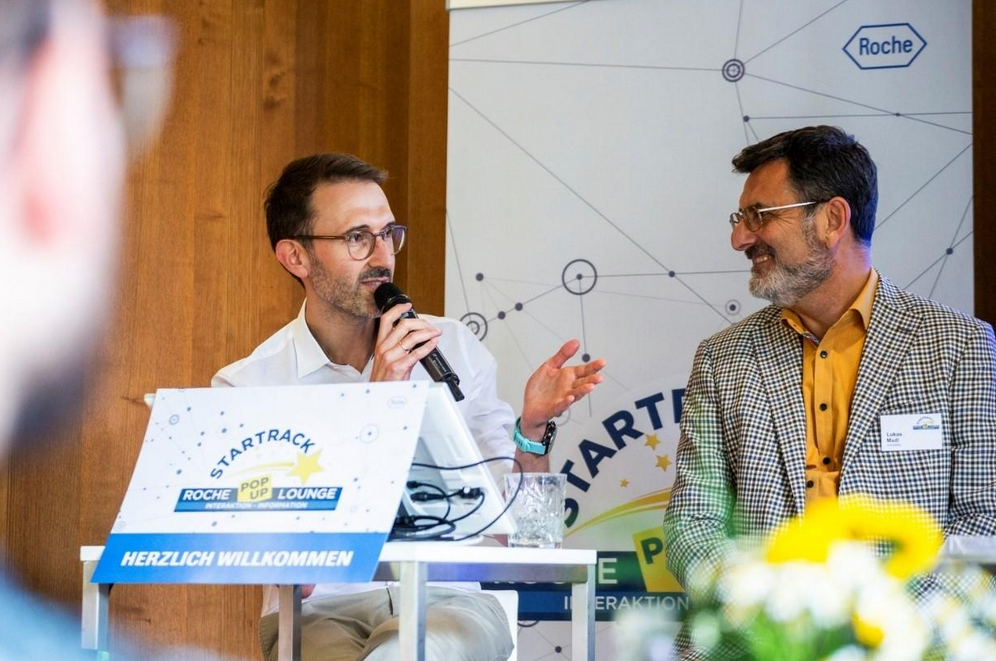
The discussion revolved around the tension between human intelligence and artificial intelligence (AI). Key questions included: Will machines soon be better than humans? What abilities will remain exclusive to humans? And how will AI change our self-image, our education, and our working world? The discussion covered whether we overestimate or underestimate AI, what ethical and regulatory challenges exist—for example, in connection with the AI Act—and how our trust in data-based systems is developing. The impact on schools, learning, and truth in the age of fake news and AI-generated art was also addressed. The discussion was broad in scope, covering philosophical, ethical, and social issues, and ultimately posed the question: What makes us human? The panel discussion featured: Dr. Robert König, philosopher and ethicist at the University of Vienna, science ambassador for the OEAD Mag. Lukas Madl, founder and CEO of innovethic, expert in responsible innovation and trustworthy AI Michael Volpert, founder of cup2gether, partner and advisor at structr Stefan Hupe, mentor in the Thinker Circle Students from the 8AB ethics class at BG Bachgasse The discussion was moderated by Mag.a Gabi Holzer

Read article
Digital medicine under scrutiny

What is hype and what can algorithms really achieve in medicine? We discussed these questions in a broad panel of experts from various disciplines — from neurology and oncology to ethics. We talked about the opportunities, limitations, and ethical challenges of digital technologies in healthcare.

Read article
Profit or common good?

In his presentation “Profit vs. Public Good in Technology Transfer?”, Lukas Madl examined the relationship between profit and social value in the fields of innovation and technology transfer. Drawing on his experience in genetics and more than 25 years of working in the commercialization of research results, he argued that while financial incentives for innovation are essential, they must be balanced with the common good to avoid harmful consequences — especially in sensitive areas such as AI in healthcare. He emphasized that technology transfer organizations (TTOs) should not only create economic value, but also actively pursue social value by addressing urgent human and environmental needs. Ultimately, Madl called for an ethically grounded innovation model that focuses on human dignity and holistic social development.

Read article